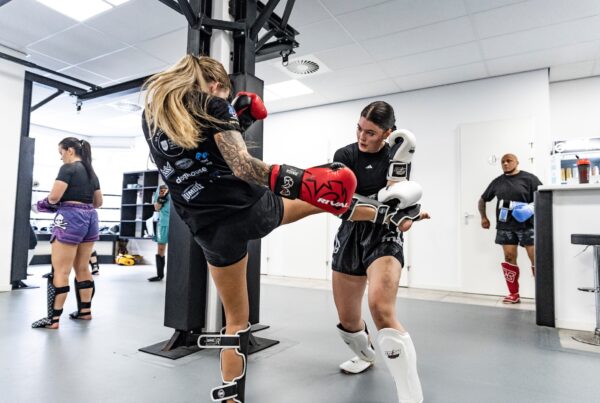
Kickboxing is intense. It requires strength, endurance, explosiveness and focus. Whether you train to lose weight, build strength or improve your fitness, your nutrition largely determines your results.
In practice, we see many athletes leaving progress on the table. Too little energy before training. Not enough protein for recovery. Or poor timing, causing fat loss to stall.
Read these ultimate kickboxing nutrition tips covering:
- What to eat before your workout
- What you need after training
- How to adjust your nutrition for fat loss
- Practical meal plans and snack ideas
- Supplements: what works and what’s unnecessary
This guide is suitable for both beginners and advanced athletes and perfectly complements our insights on losing weight with kickboxing.
Why Nutrition Is So Important for Kickboxing
Kickboxing combines:
- Interval training
- Strength training
- Explosive movements
- High heart rate zones
This means your body needs to:
- Access energy quickly (carbohydrates)
- Repair muscles (protein)
- Replenish fluids and electrolytes
Without the right fuel:
- You train less intensely
- Recovery slows down
- Injury risk increases
- Fat loss becomes less effective
Nutrition is not a side issue. It is part of your training strategy.
What to Eat Before a Kickboxing Workout
The goal of your pre-workout meal is simple: provide energy without feeling heavy.
1. Timing: When Should You Eat?
- 2–3 hours before training → full meal
- 60–90 minutes before training → light snack
- Less than 60 minutes → small, fast-digesting snack
2. What to Eat 2–3 Hours Before Training
Focus on:
- Complex carbohydrates
- Lean protein
- Low fat
- Moderate fiber
Examples of Full Meals
- Brown rice + chicken breast + grilled vegetables
- Oatmeal with banana and protein powder
- Whole-grain wrap with chicken and avocado
- Sweet potato + salmon + broccoli
Why?
Carbohydrates refill your glycogen stores. Protein protects your muscle mass. Too much fat or fiber can make your training feel heavy.
3. What to Eat 60–90 Minutes Before Training
Choose something lighter.
Quick Snack Ideas
- Banana with peanut butter
- Greek yogurt with honey
- Rice cake with chicken breast
- Smoothie with fruit and protein powder
- Handful of nuts + piece of fruit
This provides quick energy without feeling overly full during sparring.
What to Eat After a Kickboxing Workout
After an intense session, your body needs two key things:
- Protein for muscle recovery
- Carbohydrates to replenish energy stores
The first 30–60 minutes after training are ideal for eating.
1. Ideal Post-Workout Combination
- 20–30 grams of protein
- 30–60 grams of carbohydrates
- Plenty of fluids
Post-Workout Examples
- Protein shake + banana
- Low-fat quark or Greek yogurt with fruit and granola
- Chicken with rice
- Omelet + whole-grain bread
- Tuna salad with potatoes
2. Want to Lose Weight? Pay Extra Attention
If your goal is fat loss, maintaining a calorie deficit remains essential.
However:
Cutting protein intake is a mistake.
During fat loss, you should:
- Keep protein intake high (1.6–2.2g per kg of bodyweight)
- Time carbohydrates smartly around your workouts
- Be mindful of snacks outside training moments
This way, you preserve muscle mass while losing fat.
Practical Daily Meal Plans for Kickboxers
For Fat Loss (Female ±70 kg / 154 lbs)
Breakfast
- Oatmeal with blueberries and protein powder
Lunch
- Whole-grain wrap with chicken and vegetables
Snack
- Greek yogurt
Pre-workout
- Banana
Post-workout
- Protein shake
Dinner
- Salmon + broccoli + small portion of rice
For Muscle Gain or Intensive Training Weeks
Breakfast
- 3 eggs + whole-grain bread
Lunch
- Rice + chicken + vegetables
Snack
- Quark or Greek yogurt + nuts
Pre-workout
- Smoothie with banana and oats
Post-workout
- Protein shake + rice cakes
Dinner
- Sweet potato + steak + vegetables
Hydration: Don’t Underestimate It
You lose significant fluids during kickboxing.
General guideline:
- 2–3 liters of water per day
- Extra 500–750 ml per training session
- Consider electrolytes during heavy sessions
Dehydration reduces strength, endurance and fat-burning efficiency.
Supplements for Kickboxers: What’s Useful?
Supplements are additions, not replacements for proper nutrition.
1. Protein Powder
Helpful if you struggle to meet your protein needs through food.
2. Creatine
May support strength and explosiveness during intense training.
3. Omega-3
Supports recovery and overall health.
4. Magnesium
May help with muscle relaxation.
Always consult a professional if you are unsure.
Frequently Asked Questions About Nutrition and Kickboxing
Should I Train Fasted to Lose Weight?
Not necessarily. Fasted training is possible, but performance is often lower. Consistency and total calorie intake matter more.
Are Carbohydrates Bad If You Want to Lose Weight?
No. Carbohydrates are fuel. The quantity and timing determine their impact.
How Quickly Will I See Results?
This depends on training frequency, nutrition and recovery. With 2–3 sessions per week, most people notice improvements in fitness and energy within a few weeks.
The Bottom Line: Nutrition Strengthens Your Training
Kickboxing is a powerful tool for:
- Fat loss
- Improved conditioning
- Muscle development
- Mental resilience
But without strategic nutrition, you won’t maximize your results.
Want personal advice on combining training and nutrition? Our trainers are happy to guide you during a trial session or intake. Together, we’ll align your nutrition strategy with your training goals.
Consistent training + smart nutrition = sustainable results.